Coaching with Intention
Why Defining Your Ideal Coaching Profile Matters

I started my collegiate coaching career in 1995 fresh out of grad school. In fact, my first coaching post paid me a whopping $5,000 to be a head coach of a women’s program at the NCAA DII level. I was over the moon landing that job and ready to take on the world. So sure I knew the game and could create instant champions. It’s important to note for context that I was not actually the university’s first choice as their coach. The person they really wanted took the job for a week and then decided it wasn’t the right fit for them and quit. So enter the second place choice to lead the program, at wisdom filled age of 25. Yeah, I was so sure I knew it all; how to play, how to get results, how to win. Another key piece of info to know is that I had never really mentored under any other coach or been helped to understand what the art of coaching is really about. Almost exclusively what I thought back in the summer of 1995 was what most coaches think about…
Most coaches spend hours thinking about what they coach. Define that thinking for the most part as X’s and O’s.
Far fewer spend time clarifying who they want to be as a coach—especially when the game gets fast, emotional, or uncomfortable.
And yet, research in sport is clear:
coach behavior consistently shapes player development more than systems, tactics, or outcomes ever will.
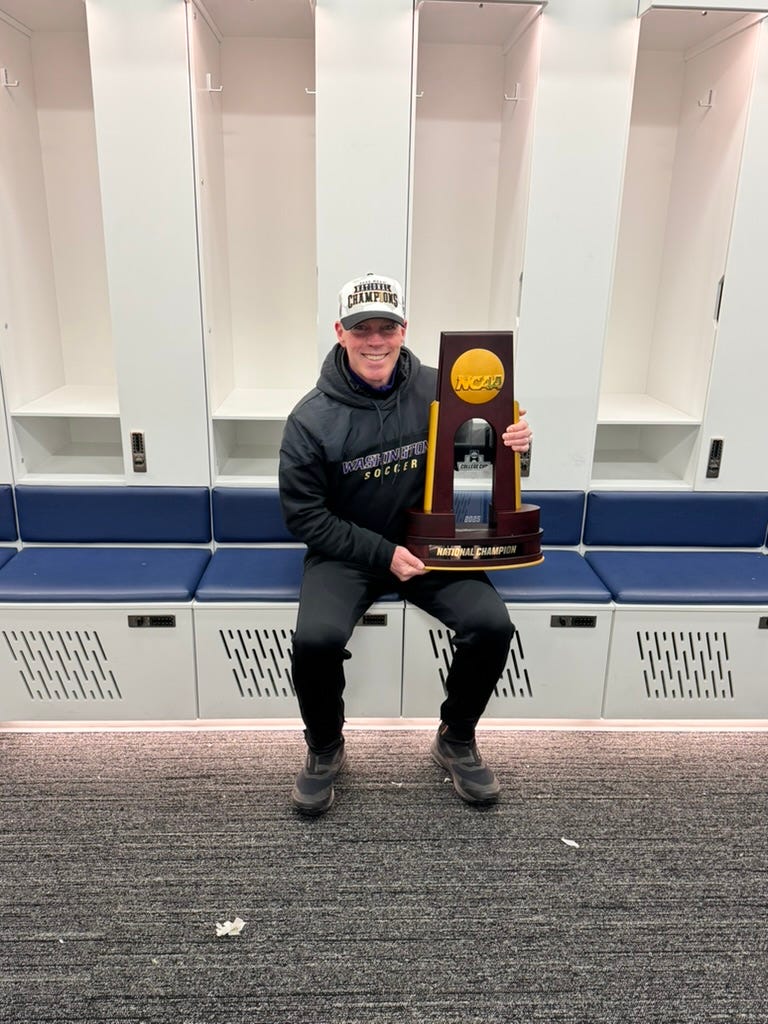
Now, some 30 years later I will say that after wining a fair amount of league titles, Highs School and Club Soccer State Championships, being part of collegiate staffs that won league titles, worked with many players who have gone onto to play professionally or get back into to coaching themselves, I sure wish I has truly thought about what defines effective coaching much earlier in my career. Hint; it’s not only about the results. Further, coming of being the Mental Performance Coach for the most recent NCAA DI Men’s soccer National Champion, I can categorically say that winning it all didn’t happen because our staff focused on results. Raising that big trophy happened due culture creation, focusing on development, really knowing who each person in the program was and maximizing their potential, and taking things day to day. This post explores why defining an intentional coaching profile matters, what research tells us about effective coaching behaviors, and how clarity around an “ideal profile” helps coaches show up more consistently—without turning reflection into overthinking.
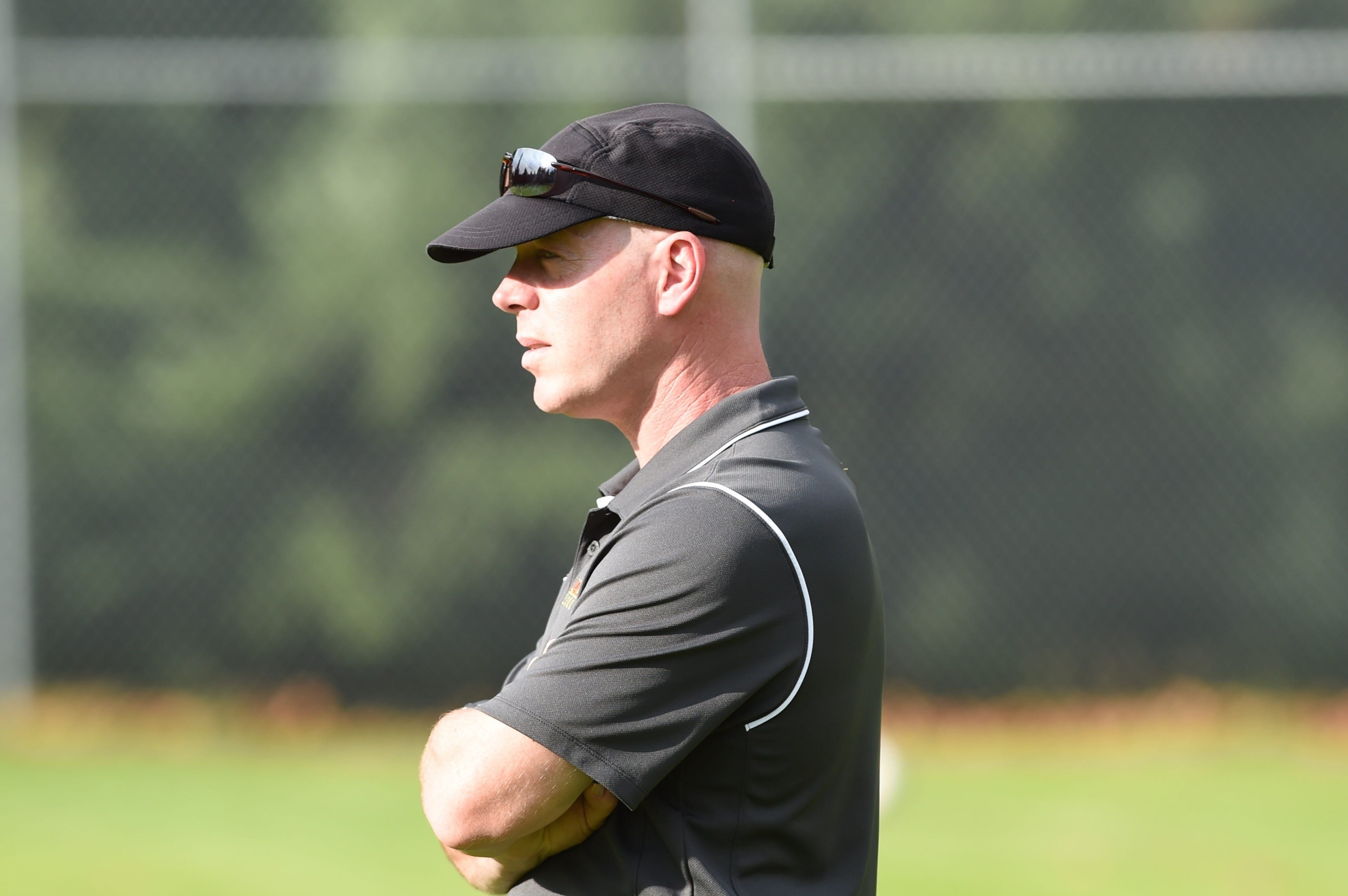
Coach Behavior Is the Environment
Decades of research in sport psychology and coaching science point to a simple truth:
Players don’t just develop in drills.
They develop inside the emotional and behavioral environment created by their coach.
Observational research in youth sport shows that coaching behaviors directly influence athletes’ motivation, learning, decision-making, and confidence (Smith, Smoll, & Curtis, 1979; Ford et al., 2010). How coaches structure practice, respond to mistakes, and communicate under pressure shapes not only performance—but how players engage with the learning process.
In short, how coaches behave—especially under pressure—sets the ceiling for development.
This matters because most coaching missteps don’t come from poor intent.
They come from autopilot.
The Power of Autonomy-Supportive Coaching
One of the most robust findings in youth sport research is the impact of autonomy-supportive coaching, grounded in Self-Determination Theory.
Coaches who:
explain the why behind tasks
invite player thinking
allow room for mistakes
emphasize effort and learning over compliance
consistently foster higher levels of intrinsic motivation, confidence, engagement, and ownership (Deci & Ryan, 2000; Mageau & Vallerand, 2003).
Importantly, this does not mean being passive or “soft.” Research shows that autonomy-supportive coaches often maintain high expectations and clear structure, while still supporting athlete choice and understanding (Langdon et al., 2015).
Development accelerates when players feel both challenged and trusted.
Emotional Regulation Is a Coaching Skill
Another growing area of research highlights the role of coach emotional regulation.
Studies show that coaches who effectively manage their emotions demonstrate:
more constructive feedback
fewer reactive or punitive behaviors
stronger motivational climates
which, in turn, supports player confidence and learning (Thelwell et al., 2018).
Players are extraordinarily sensitive to tone of voice, body language, and reactions to mistakes. When coaches remain composed, psychologically safe environments emerge—environments where players are more willing to take risks and recover from errors.
This is one reason defining an ideal coaching profile matters:
it creates clarity around who you want to be before emotions take over.

Why Results Can’t Be the Anchor
Winning matters. Developmental coaches know this.
But research on motivational climate consistently shows that when outcomes dominate a coach’s emotional response, learning behaviors suffer. Task-focused environments—where effort, improvement, and role clarity are emphasized—are associated with stronger motivation and engagement than ego-focused, results-driven climates (Ames, 1992; Harwood et al., 2015).
This perspective aligns closely with the long-term view outlined in The Developer’s Way: real development is nonlinear, often invisible in the short term, and deeply influenced by consistency of behavior rather than isolated outcomes.
Why Define an “Ideal Coaching Profile”?
Clarity precedes consistency.
When coaches articulate their ideal profile—how they want to communicate, respond, teach, and lead—they:
reduce emotional drift under pressure
align daily behaviors with long-term values
create more stable learning environments
coach on purpose, not on instinct alone
This isn’t about perfection.
It’s about intentionality.
The most effective coaches don’t hope they show up well when it’s hard.
They’ve already decided who they want to be.
Final Thought
If players benefit from defining their best version, coaches do too.
Because development doesn’t start with tactics.
It starts with who you are when it matters most.
Optional: Selected Research Resources
Deci, E. L., & Ryan, R. M. (2000). Self-Determination Theory
https://selfdeterminationtheory.org/SDT/documents/2000_RyanDeci_SDT.pdfMageau, G. A., & Vallerand, R. J. (2003). Autonomy-supportive coaching
https://selfdeterminationtheory.org/SDT/documents/2003_MageauVallerand.pdfLangdon et al. (2015). Coach training & autonomy support
https://selfdeterminationtheory.org/wp-content/uploads/2020/10/2015_LangdonSchloteEtAl_EffectsofaTraining.pdfThelwell et al. (2018). Emotional intelligence in coaching
https://pmc.ncbi.nlm.nih.gov/articles/PMC6647934/Ford et al. (2010). Coaching behaviors & learning
https://pubmed.ncbi.nlm.nih.gov/23016800/